Anna Vilenskaya. European Tour
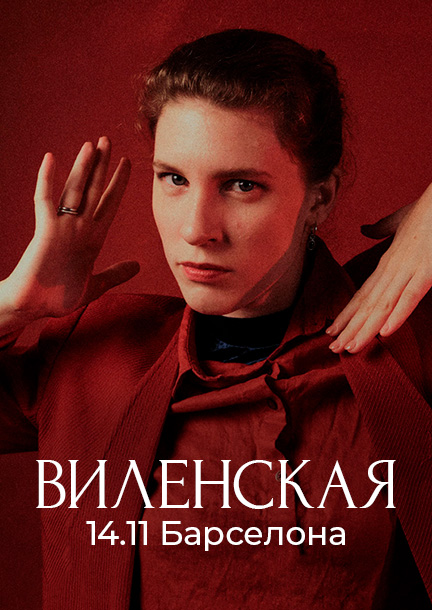

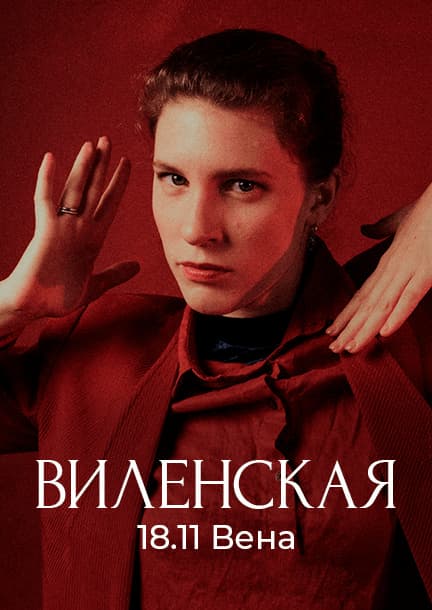
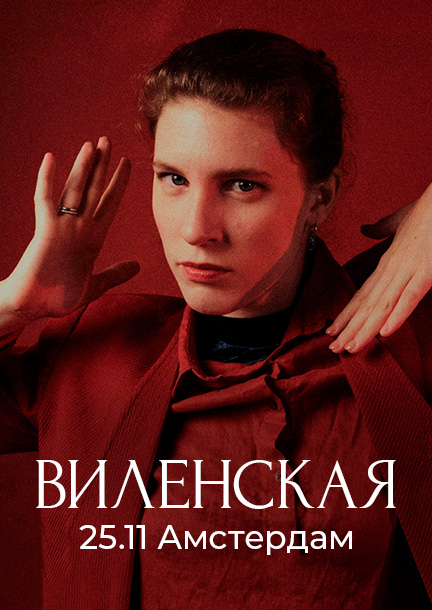
Anna Vilenskaya is a musicologist, lecturer, and advocate for classical and contemporary music. She has a knack for explaining complex topics in a simple, engaging, and humorous way, helping listeners hear music in a new light and understand how it works.
Topic: Disco: The Rise and Fall of the 20th Century’s Most Influential Genre
Disco is the genre that gave rise to nearly all dance and electronic music. At the height of its popularity, disco was everywhere. But its fate was altered by an unprecedented event: disco became the only musical genre against which a protest was launched. In this lecture, we’ll explore how disco came to be and how it came to an end.
Topic: How Global Catastrophes Influence Musical Evolution
Epidemics, natural disasters, and wars influence the economy, politics, and technological progress. But what about music? In this lecture, we’ll explore how Napoleon changed chords and rhythms, what the tragedy of September 9 brought to music, how World War II influenced background music, how Messiaen composed music in a concentration camp, and what Chopin and anime have to do with it.
Topic: The Music of the Future: Fears That Have Already Come True, and New Hopes
At various times, listeners and composers have feared synthetic music in its various forms—from the mechanical piano to Artificial Intelligence. In this lecture, we’ll discuss which of these fears have come true, whether a musical “Brave New World” has arrived, what the unexpected success of Angine de Poitrine has to do with it, how TikTok is changing the form of songs, and we’ll also develop a hypothesis about what music might become in the near future.
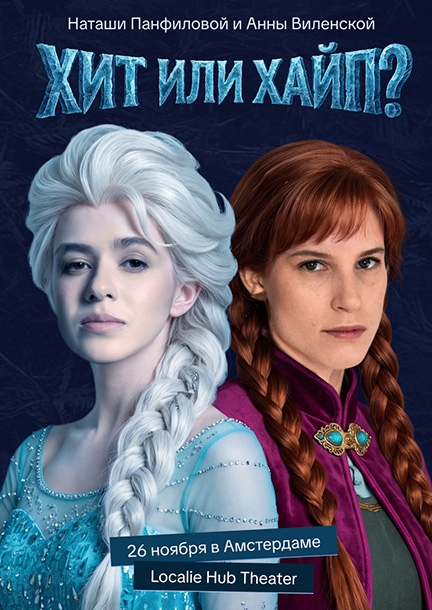
Topic: Hit or Hype. Music from Cartoons: Art for Adults or Marketing for Children. A Debate Between Anna Vilenskaya and Natasha Panfilova
Natasha Panfilova is a marketer, a master’s program instructor in Paris, and the author of a blog with an audience of 200,000 people. She discusses marketing and behavioral responses without being a bore: through observations, research, and data—all delivered with humor and entertainment.
Cartoons have been around for over a century and have evolved alongside marketing, popular culture, and pop music. Why do some of them become part of the childhood of several generations, while others are quickly forgotten? Is it all down to the music, the story, or cynical marketing?
Using examples from *Frozen*, *Shrek*, and Soviet cartoons, we’ll explore why kids are singing “Let It Go,” how the music from *Shrek* creates a fairy-tale atmosphere for a story with adult themes, why Disney films are so upbeat, and why Soviet cartoons often sound so touching and melancholic.
We’ll try to answer the main question: what makes a cartoon successful—the music, the story, or the marketing? Anya will talk about the work of composers, Natasha will discuss the role of marketers, and listeners will be able to vote on whose contribution was more important.